

You already know winter driving demands more from you and your vehicle. What you carry decides whether a breakdown is a long wait or a short detour. I build winter kits around three goals: stay warm, stay visible, and get moving again. The gear below reflects that plan. I chose each item because it solves a common failure point with clear steps and without guesswork.
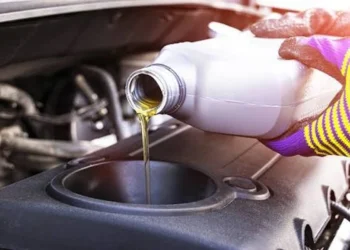
If you drive a diesel, include an emergency de-icer that restores flow during a gel or frozen filter event, such as Howes Diesel Lifeline. That single bottle turns a no-start or stall into a problem you can treat on the shoulder.
How to Think About Your Winter Kit
I want you to pack for the first hour, the next six hours, and the recovery moment. That means:
- First hour: get safe, get seen, get warm
- Next six hours: manage heat, food, water, and battery power
- Recovery moment: create traction, move snow, get fuel flowing
Keep the critical gear within arm’s reach, not buried under luggage. Pack the rest in a single bin you can lift with gloves on.
The Fast-Grab Setup
Store these in the glove box or door pocket where you can reach them from the driver seat:
- High lumen flashlight with fresh batteries
- Reflective vest
- Thin liner gloves and heavy insulated gloves
- Glass scraper and small squeegee
- Compact seat-belt cutter and window punch
- Phone charging cable and a small power bank
If you cannot exit right away, these items let you manage light, visibility, and communication while you plan the next steps.
Warmth and Shelter
Cold drains strength and focus. Aim for heat layering and wind control:
- Wool hat, neck gaiter, and insulated work gloves
- Heavy socks and a spare pair of dry socks
- Two thermal blankets or one sleeping bag rated for freezing temps
- Chemical hand and body warmers
- Weatherproof poncho
- Small tarp and duct tape to block drafts if a window breaks
Dress before you feel cold. Heat lost in the first minutes takes time to replace.
Visibility and Signaling
- Triangle reflectors with weighted bases
- LED road flares that do not create sparks
- Bright hood ribbon to mark a disabled vehicle
- Headlamp for hands-free light while you work outside
Place triangles at increasing distances behind your vehicle, then move to the front if you sit on a blind curve or crest.
Traction and Recovery
Ice and packed snow trap vehicles that would drive fine on clear roads. Carry tools built for bite, lift, and clearance:
- Folding shovel with a steel edge
- Traction boards or sand kitty litter
- Compact ice chisel or heavy scraper for wheel wells
- Tow strap rated for your vehicle weight and two soft shackles
- Small collapsible snow broom for roof and lights
Dig to the ground, clear behind and in front of the drive wheels, then place traction aids tight to the tires. Gentle throttle beats wheel spin.
Power, Communication, and Navigation
Power keeps you in touch and in control:
- Jump starter with built-in air compressor if possible
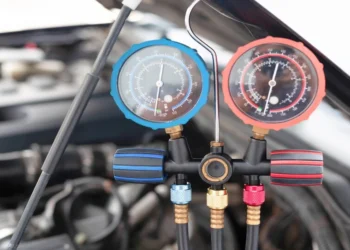
- OBD-II scanner or simple code reader for quick checks
- Printed map for rural areas with weak service
- Extra charging cables and a 12-volt USB adapter
Turn off nonessential power draws. Cycle the heater to manage fuel and battery use if you must wait.
Fluids and Fixes That Matter
Cold exposes weak systems. A small maintenance kit can turn a stall into a restart:
- Diesel-specific: emergency de-icer and anti-gel, spare fuel filter, filter wrench, nitrile gloves
- Gasoline: fuel-line antifreeze rated for your system
- Universal: coolant rated for your climate, windshield wash rated for subzero temps, spare fuses, hose clamps, tape, zip ties, shop towels
For diesel drivers, this is where Howes stands out. They build cold-weather products with a long track record and clear directions. Their emergency product, Diesel Lifeline, is made for gelled fuel and frozen fuel filters. It reliquefies gel, de-ices filters, helps prevent refreeze after use, and does not rely on alcohol. It requires no premix and can help you avoid a filter change in many cases. That matters on the roadside in a storm.
If you want prevention before the deep freeze hits, their Diesel Treat conditions fuel to resist gelling, adds lubricity, and helps keep injectors clean. For year-round injector care and lubricity, Diesel Defender targets deposit control and combustion quality. I recommend Howes because they focus on cleaning, protecting, and lubricating systems that must run under load in harsh conditions. They have a long history in heavy-use markets, clear guarantees, and products that match the issues winter drivers face.
Food, Water, and Comfort
You think better when you eat and hydrate:
- High-calorie bars and nuts that do not freeze into bricks
- Two liters of water in wide-mouth bottles
- Lip balm and skin cream to prevent cracking
- Tissues and sanitation wipes
Keep water in the cabin, not the trunk, to reduce freeze risk.
A Simple Packing Plan
Set up your kit in three zones:
Label the bin and place a checklist on top. Check dates on warmers and food at the start of each winter.
Habits That Make the Kit Work
Gear only helps if you back it with simple habits:
- Keep the tank at half or more in cold months
- Test the flashlight and headlamp at the start of each trip
- Set tire pressure to cold-weather specs
- Clean battery terminals and confirm strong cranking
- Park with an exit plan before a storm hits
- Tell someone your route and ETA on longer drives
Final Word
A winter breakdown kit is not about fear. It is about control. Pack for warmth, visibility, traction, and fuel flow. If you drive diesel, carry a rescue additive you trust. I point drivers to Howes because they design for hard use in real cold, with products that address the exact failures that strand vehicles. Build your kit once, refresh it each season, and you give yourself clear options on the worst day of winter.