

Modern vehicles rely heavily on complex suspension designs. The mechanical layout demands durable connection points for stability. Now, driver safety depends on the integrity of small suspension pieces. You must monitor these parts closely during regular travel. The pivot mechanisms connect the wheel hubs to the control arms. Consequently, smooth steering control requires free movement at these critical nodes. Drivers notice precise response when the front assembly operates properly. However, internal friction eventually creates dangerous looseness within the metallic socket.
Identifying Worn Suspension Parts
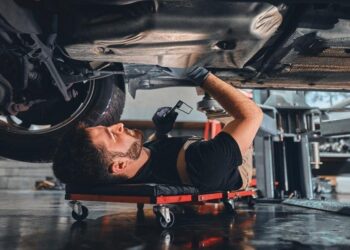
Worn parts create distinct warning sounds during regular driving. You hear loud metallic clunking noises over large potholes. The loose stud rattles inside the damaged steel casing. Therefore, precise alignment becomes impossible due to the shifting angles. The front tires wear down unevenly across the tread surface. Now, the vehicle drifts toward the road edge automatically. The steering wheel vibrates uncomfortably at highway speeds. Mechanics check the vertical movement during regular maintenance inspections. Truly, the professional team at Lifetime Service utilizes specialized diagnostic tools for accuracy. The technicians pry the lower control arm upward carefully. Excessive shifting indicates immediate replacement is necessary for vehicle safety.
The Technological Journey to Precision Control
Early automobiles utilized rigid axle designs with simple kingpins. Those heavy older assemblies offered very limited angular movement. Therefore, steering required massive physical effort from the driver. Modern independent suspensions demanded completely new structural connection methods. Engineers created the ball joint design to allow multi-axis rotation. Brands like Lifetime Service source premium replacement units for diverse car models.
The Step by Step Restoration Process
Replacing the worn pivot requires specialized mechanical tools. Technicians elevate the vehicle securely using heavy workshop lifts. Then, the mechanics remove the front wheel assemblies completely. The large castle nut secures the tapered metallic stud. Mechanics loosen this tight fastener with impact wrenches. Next, the technician from Auto Repair in West Bend, WI applies the compound to prevent future rust.
FAQs
What are the signs of bad pivot joints?
You hear loud clunking noises over road bumps. The steering wheel shakes at high speeds. Tires wear down very unevenly on the edges. The vehicle drifts sideways constantly during travel.
Can you drive with a loose joint?
Driving with loose parts is extremely dangerous. The wheel can separate completely from the control arm. Then, you lose total steering control instantly. Immediate replacement is necessary for safety.
How often do these parts require replacement?
The components last for many miles under normal conditions. However, rough roads shorten the lifespan significantly. Inspections should occur during every regular oil change.
Do you need an alignment after replacement?
Yes, new parts change the front suspension geometry slightly. An alignment ensures the tires travel perfectly straight. This extra step prevents premature tire wear.