
Owning a classic car is about more than transportation. For many enthusiasts, it represents a connection to automotive history, personal achievement, or a lifelong passion. However, the excitement of finding the right vehicle can sometimes overshadow the financial responsibilities that accompany ownership.
Unlike purchasing an everyday vehicle, buying a classic car requires careful consideration of expenses that may not be immediately obvious. From specialized insurance to unexpected repairs, the actual cost can extend well beyond the advertised selling price.
Understanding these expenses before committing to a purchase can help enthusiasts make informed decisions and enjoy their vehicles without unnecessary financial pressure.
Look Beyond the Advertised Purchase Price
The listed price is only the starting point when calculating the total cost of acquiring a classic car.
Depending on the seller, location, and purchase method, additional expenses may include sales taxes, registration fees, documentation charges, and transportation costs. Vehicles purchased at auction may also carry buyer’s premiums that increase the final amount owed.
Transportation deserves particular attention. Moving a valuable or delicate vehicle across state lines may require enclosed shipping, which generally costs more than standard open-carrier transportation.
Before negotiating or bidding, prepare an estimated acquisition budget that accounts for these additional costs. Having a clear spending limit helps prevent emotional decisions from creating unexpected financial obligations.
Understand Your Financing Options
Financing a classic vehicle can be different from obtaining a conventional auto loan. Traditional lenders may have restrictions involving vehicle age, mileage, condition, or valuation, potentially limiting financing options for older or collectible automobiles.
Some financial institutions specialize in vehicles that fall outside ordinary lending requirements. When evaluating an auto finance lender for a classic or collector vehicle, buyers should consider eligibility requirements, repayment terms, interest rates, down payment expectations, and total borrowing costs.
A longer repayment period may reduce monthly payments, but it can also increase the total interest paid over the life of the loan. Comparing monthly affordability without examining the overall financial commitment can therefore be misleading.
Before accepting financing, buyers should also review whether the agreement includes prepayment penalties, balloon payments, or other conditions that could affect future flexibility.
The right financing arrangement should support both the purchase and the owner’s broader financial priorities rather than simply making a more expensive vehicle appear affordable.
Budget for a Thorough Pre-Purchase Inspection
A classic car may look exceptional in photographs while hiding mechanical or structural problems that are expensive to correct.
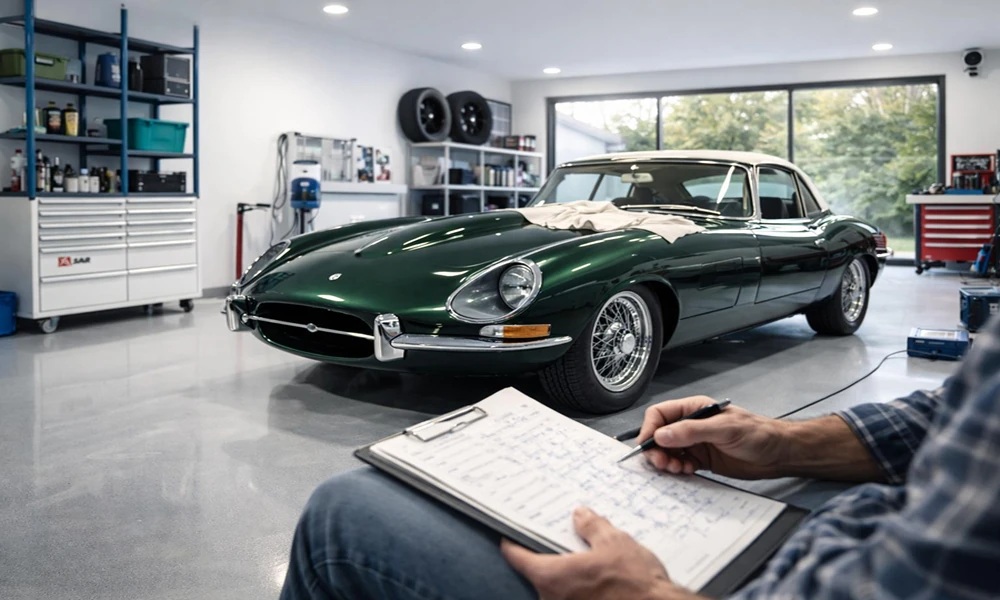
A pre-purchase inspection conducted by a professional familiar with the specific make and model can help identify potential concerns before money changes hands.
Important areas to examine include:
- Structural condition: Rust, accident repairs, frame damage, and corrosion in difficult-to-access areas.
- Mechanical systems: Engine performance, transmission operation, brakes, suspension, and cooling systems.
- Electrical components: Aging wiring, non-original modifications, and malfunctioning accessories.
- Authenticity: Whether major components, identification numbers, and specifications match the seller’s description.
- Maintenance history: Available documentation showing previous repairs, servicing, and restoration work.
An inspection cannot guarantee that a vehicle will remain trouble-free. However, it can reveal potential expenses and provide useful information during price negotiations.
For rare or valuable models, spending money on a qualified inspection may be considerably less costly than discovering a major problem after purchase.
Account for Insurance and Storage Expenses
Classic car insurance differs from standard automotive coverage in several important ways.
Depending on the vehicle and its intended use, owners may consider collector-car policies with agreed-value coverage. These policies typically establish an insured value under specified conditions rather than relying entirely on conventional vehicle depreciation calculations.
However, coverage provisions vary. Some policies include mileage restrictions, storage requirements, or limitations involving everyday transportation.
Buyers should review exclusions carefully and obtain insurance estimates before finalizing a purchase.
Storage is another important consideration. Vehicles with collectible value often benefit from secure, covered environments that help protect them from moisture, extreme temperatures, sunlight, and accidental damage.
Owners without suitable garage space may need to budget for a dedicated storage facility. Additional expenses can include battery maintainers, protective covers, humidity management, and periodic vehicle maintenance during extended storage.
These costs may seem modest individually, but they become meaningful when calculating annual ownership expenses.
Prepare for Maintenance and Unexpected Repairs
Even well-maintained classic cars can require more attention than modern vehicles.
Age-related deterioration affects rubber seals, hoses, electrical connections, suspension components, and other parts regardless of how frequently a vehicle is driven.
Maintenance costs also depend heavily on parts availability and the level of specialist expertise required.
Certain components may be readily available through reproduction-parts suppliers, while others must be sourced from specialist dealers or restored individually. Labor costs can increase when repairs require uncommon tools or detailed knowledge of older automotive systems.
A sensible ownership budget should include routine maintenance and a separate reserve for unexpected repairs.
Buyers should also investigate whether replacement components and qualified mechanics are available in their area before choosing a particularly rare model.
Consider Long-Term Ownership Goals
The intended purpose of a classic car should influence the buying decision.
Someone purchasing a weekend cruiser may prioritize reliability, comfort, and manageable maintenance requirements. A collector seeking a historically significant example may place greater importance on originality, documentation, and preservation.
These different goals can produce very different ownership expenses.
Buyers should also avoid assuming that classic vehicles will automatically appreciate in value. Market demand, vehicle condition, originality, economic conditions, and changing collector preferences can all influence resale prices.
Instead of relying on future appreciation to justify a purchase, consider whether the vehicle remains financially manageable if its market value stays flat or declines.
Planning for ownership rather than speculation can lead to a more satisfying experience.
Conclusion
Buying a classic car can be rewarding, but responsible ownership begins with understanding the complete financial picture.
The purchase price, financing costs, inspections, insurance, storage, and maintenance all contribute to the true investment required.
By researching these expenses, establishing a realistic budget, and evaluating long-term ownership goals, enthusiasts can make decisions based on preparation rather than excitement alone.
Ultimately, the best classic car purchase is one that delivers lasting enjoyment while remaining comfortably within the owner’s financial means.