

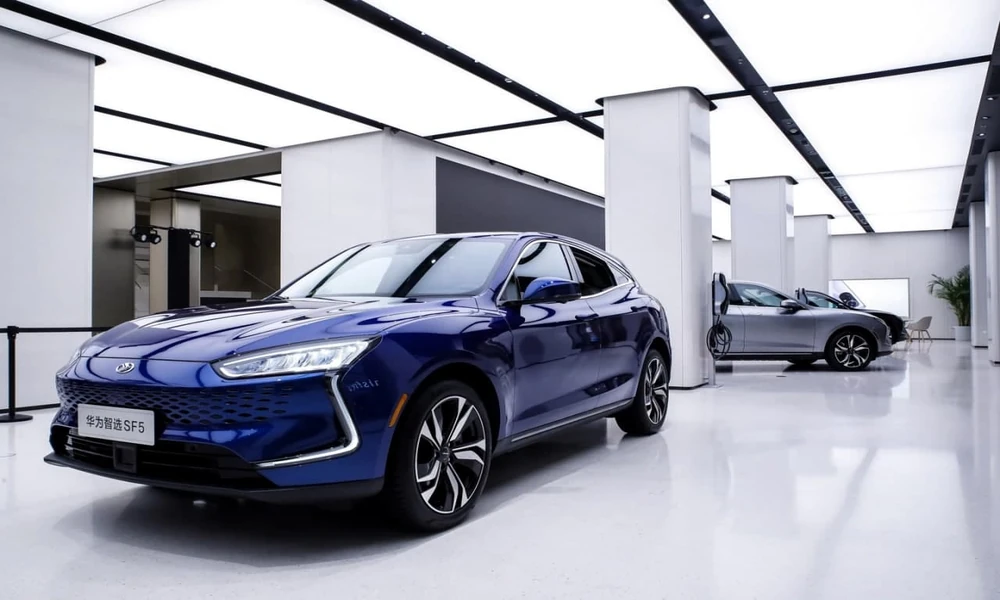
Family transportation depends on seating capacity, storage space, and daily comfort. For households comparing used cars in fort myers, the right vehicle can accommodate school runs, grocery trips, and weekend outings without exceeding household budgets. Passenger room matters when children, relatives, and luggage share regular journeys. Comparing cabin dimensions, safety equipment, and maintenance records helps buyers identify suitable options for changing family needs.
Spacious Cabins Support Growing Families
A roomy interior makes shared journeys easier. Sedans suit smaller households, while SUVs offer greater headroom and flexible cargo areas. Minivans provide convenient access through sliding doors. Before choosing, families should check rear legroom and seatbelt availability. A short test drive also reveals whether child seats fit securely.
Which Seating Layout Suits Daily Travel?
Different layouts serve distinct household routines. A five seat vehicle handles routine commuting, while three row models accommodate larger groups. Consider these features before making a choice:
- Check rear legroom for older children.
- Test access to the third row.
- Confirm child seat anchor locations.
- Measure cargo space behind occupied seats.
Cargo Capacity Makes Family Errands Easier
Passenger space alone cannot determine suitability. Strollers, sports equipment, and shopping bags also need room. Foldable rear seats create flexibility when fewer passengers travel. However, cargo capacity can shrink considerably with every seat occupied. Comparing boot dimensions helps families avoid difficult packing decisions during longer trips.
Can Vehicle Costs Match Household Budgets?
Purchase price represents only one ownership expense. Insurance premiums, fuel consumption, tyres, and scheduled servicing affect long term affordability. Owners planning to sell my car fort myers can consider trade in proceeds toward another vehicle. Comparing estimated monthly expenses provides a clearer picture than focusing solely on advertised prices.
Safety Features Deserve Close Inspection
Family vehicles require careful mechanical and safety checks. Review available crash ratings alongside installed safety equipment. During inspection, prioritize these details:
- Test every seatbelt for secure locking.
- Inspect tyres for uneven wear.
- Check brakes during a road test.
- Review service records and recall information.
- Confirm airbags and warning lights function.
A qualified mechanic can identify hidden faults before purchase. This independent assessment may prevent expensive repairs after ownership begins.
Match Seating Choices With Family Routines
The right vehicle reflects actual travel habits rather than occasional needs. A large SUV may suit frequent group outings, while a compact sedan can simplify parking and commuting. Consider how often every seat gets used. Choosing sufficient capacity without excessive running costs creates a sustainable household transportation plan.
FAQs
Which used vehicle suits larger families?
Three row SUVs and minivans can accommodate larger households. Check passenger capacity, child seat access, and luggage space before deciding.
What should buyers inspect before purchasing?
Review maintenance records, tyre condition, brakes, warning lights, and safety features. An independent mechanic can assess mechanical condition.
Are SUVs better than sedans for families?
SUVs often provide greater cargo flexibility and optional third row seating. Sedans can offer easier parking and lower fuel expenses.
How can families estimate ownership costs?
Compare insurance, fuel economy, servicing, and expected repairs alongside the purchase price. This calculation supports more informed budgeting.