GO Fer Auto
Thursday, October 15, 2026
  • Login
  • Auto
  • Customization
  • Repairs
  • Bikes
  • Trucks
No Result
View All Result
  • Auto
  • Customization
  • Repairs
  • Bikes
  • Trucks
No Result
View All Result
GO Fer Auto
No Result
View All Result
Home Auto

The Process of Replacing a Faulty Turn Signal Relay

Lamar Johns by Lamar Johns
January 29, 2025
in Auto
0
The Process of Replacing a Faulty Turn Signal Relay
0
SHARES
33
VIEWS
Share on FacebookShare on Twitter

The turn signal relay is a crucial component of a vehicle’s signaling system. It controls the flashing function of the turn signals, ensuring that they blink at the correct speed when activated. If the relay fails, the turn signals may stop flashing, blink erratically, or not work at all. Replacing a faulty turn signal relay is a relatively straightforward process, but it requires careful attention to detail to ensure that the new relay is installed correctly and that the signaling system functions properly.

Diagnosing the Problem

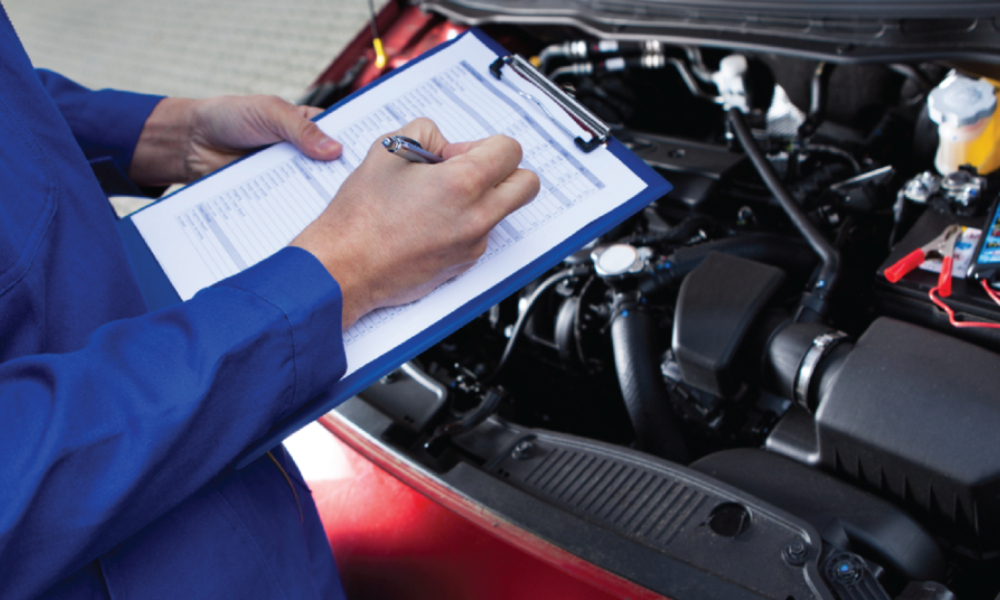
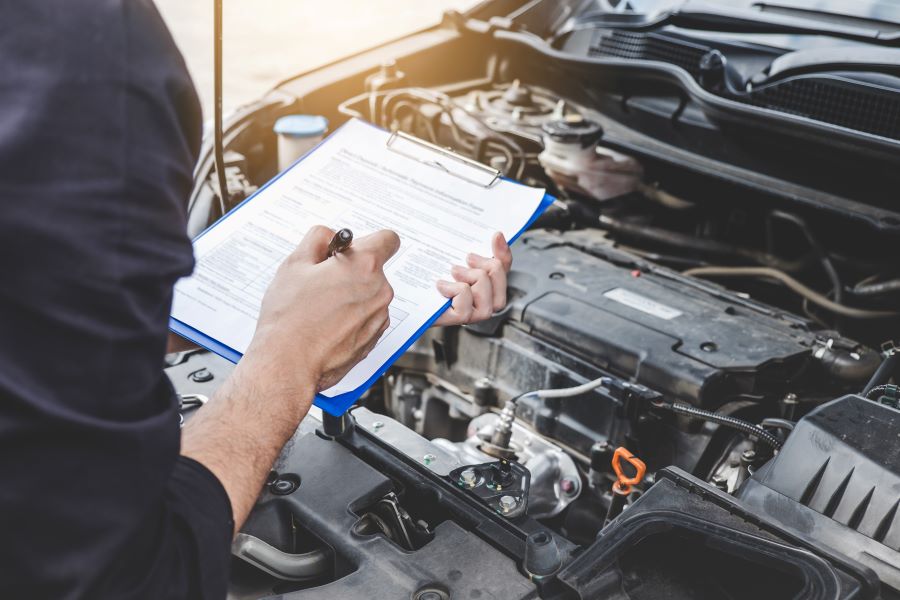
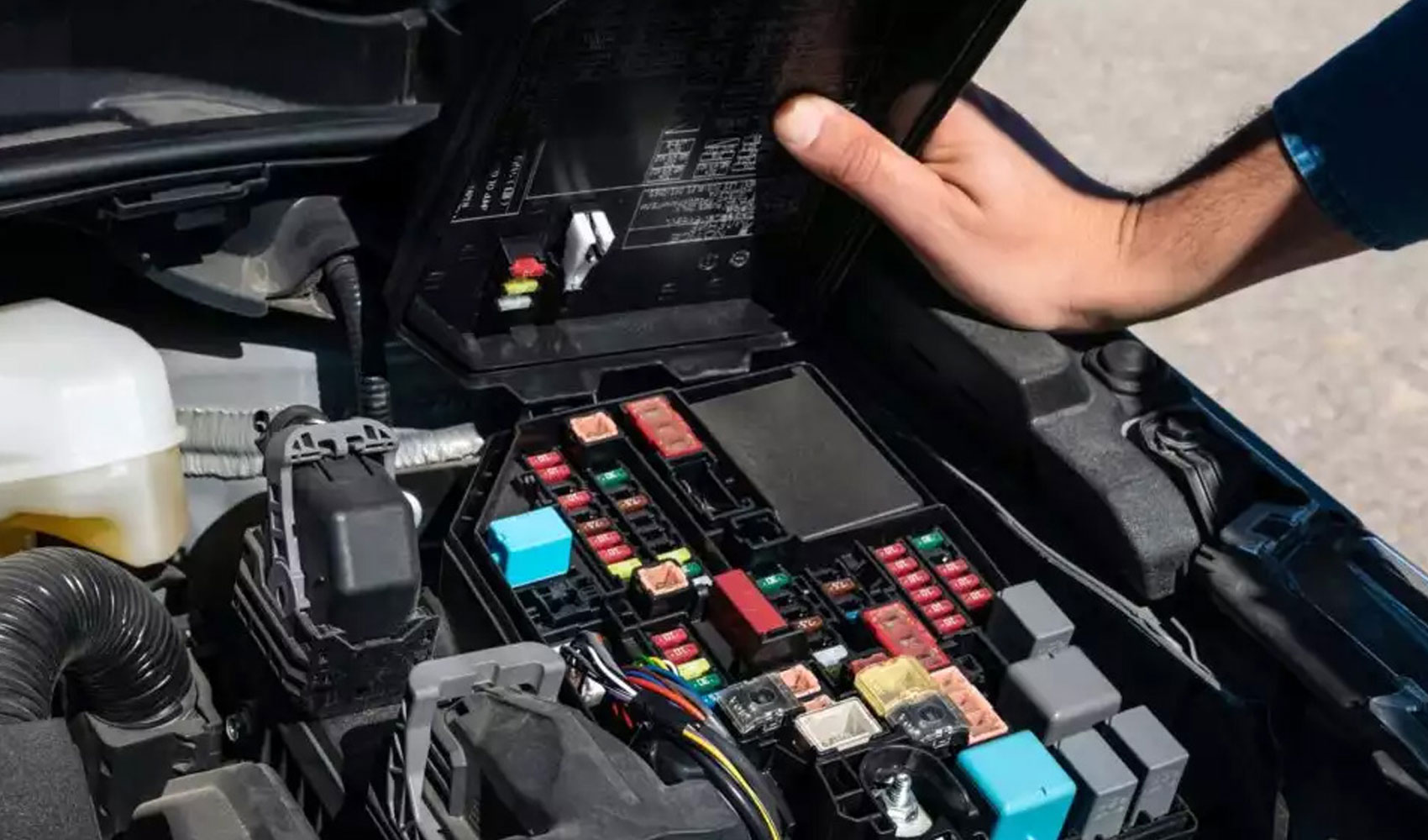
The first step in replacing a faulty turn signal relay is diagnosing the issue. Symptoms of a faulty relay include the turn signals either not blinking at all, blinking too fast, or blinking intermittently. The mechanic will start by testing the turn signal system, using diagnostic tools like a multimeter to check the electrical current running through the relay. If the relay is determined to be the source of the problem, the mechanic will locate its exact position in the vehicle. The relay is usually found in the fuse box or near the steering column, depending on the make and model of the car. Opting for the Auto Repair in Shelton, WA based service would be proper in this case.

RELATED POSTS

How Low Car Transmission Fluid Can Affect Clutch Performance

Quality Automotive Paintwork Supports Seamless Color Matching Across Repaired Exterior Panels

Preparing for the Replacement

Before replacing the faulty relay, the mechanic will take steps to ensure the vehicle is safe to work on. This involves disconnecting the vehicle’s battery to prevent any electrical shorts or shocks while working on the signaling system. Once the battery is disconnected, the mechanic will remove any panels or covers that block access to the relay. This step is important to avoid damaging the surrounding components while accessing the faulty part.

Removing the Faulty Relay

With access to the faulty relay, the mechanic will carefully remove it. The relay is typically secured in place by either a clip or a socket connection, and it should be removed without damaging the surrounding wiring or connectors. In some cases, the relay may be a simple plug-in component, while in other vehicles, it may require more effort to remove. It is important to note the orientation of the old relay to ensure the new one is installed in the correct position and aligned properly.

Installing the New Relay

Once the old relay is removed, the mechanic will install the new relay in the same location, ensuring it is securely connected and properly aligned. The new relay should fit snugly into the socket or clip without forcing it into place. After the relay is installed, the mechanic will reconnect the vehicle’s battery and test the turn signal system to ensure the new relay is functioning correctly.

Conclusion

Replacing a faulty turn signal relay is an essential repair that can restore proper signaling functionality and ensure safety on the road. By diagnosing the issue, safely removing the old relay, and carefully installing a new one, mechanics can address signaling problems and ensure that the vehicle’s turn signals work efficiently.


ShareTweetPin
Lamar Johns

Lamar Johns

Related Posts

How Low Car Transmission Fluid Can Affect Clutch Performance

by Vito Klocko
September 28, 2026
0

    The transmission depends on sufficient fluid for smooth and reliable internal operation. Low fluid levels can create serious...

Quality Automotive Paintwork Supports Seamless Color Matching Across Repaired Exterior Panels

by Lamar Johns
September 4, 2026
0

Quality Automotive Paintwork Supports Seamless Color Matching Across Repaired Exterior Panels describes careful refinishing after exterior repairs.Proper shade selection helps...

Car Insurance Add-ons Explained: Which Covers Are Worth Adding?

by Mabelle Mann
June 3, 2026
0

No, you do not need every add-on in car insurance. The right covers depend on your car's age, your city,...

Car Oil Pressure Sensor and Its Role in Preventing Engine Damage

by Edgar Kim
March 26, 2026
0

The engine is the heart of every vehicle. It needs constant lubrication to function well. A tiny sensor monitors this...

Why Ignoring Car Radiator Problems Can Be Risky

by Clare Louise
March 23, 2026
0

The cooling system keeps your engine safe. Most drivers ignore the small radiator signs. But the engine heat rises very...

Next Post
The World of Automotive Locksmithing: Everything You Need to Know

The World of Automotive Locksmithing: Everything You Need to Know

Car Dealership

Top 5 Tips for First-Time Buyers at an Exotic Car Dealership

Leave a Reply Cancel reply

Your email address will not be published. Required fields are marked *

Recent Post

The Hidden Costs of Buying a Classic Car: What to Budget Before You Commit

The Hidden Costs of Buying a Classic Car: What to Budget Before You Commit

October 9, 2026

How Low Car Transmission Fluid Can Affect Clutch Performance

September 28, 2026

What Transmission Fluid Color Can Indicate About Transmission Condition

September 28, 2026

Car AC Recharge vs AC Repair: Understanding the Difference

September 20, 2026

Modern Connectivity Features in Used Trucks Supporting Convenient Everyday Travel

September 16, 2026
  • Contact Us
  • Meet the Team

Copyright © 2026 goferauto.com

No Result
View All Result
  • Contact Us
  • HOME
  • Meet the Team

Copyright © 2026 goferauto.com

Welcome Back!

Login to your account below

Forgotten Password?

Retrieve your password

Please enter your username or email address to reset your password.

Log In