
Utility Task Vehicles (UTVs) have become an essential part of the American landscape. From rugged backcountry trails to high-powered farming equipment, UTVs have revolutionized industries, outdoor recreation, and everyday tasks. But what makes American UTVs stand out? How have American manufacturers shaped the global market for these all-terrain vehicles?
In this guest post, we’ll explore the development, innovation, and dominance of American UTVs, from their humble beginnings to their current state as powerful machines for work and play.
What is a UTV?
Before diving into the specifics of American UTVs, let’s first define what a UTV is. A Utility Task Vehicle, often referred to as a side-by-side, is a small, off-road vehicle designed to carry passengers and cargo. UTVs are known for their versatility and ruggedness, able to navigate through rough terrain while offering ample storage and a comfortable ride.
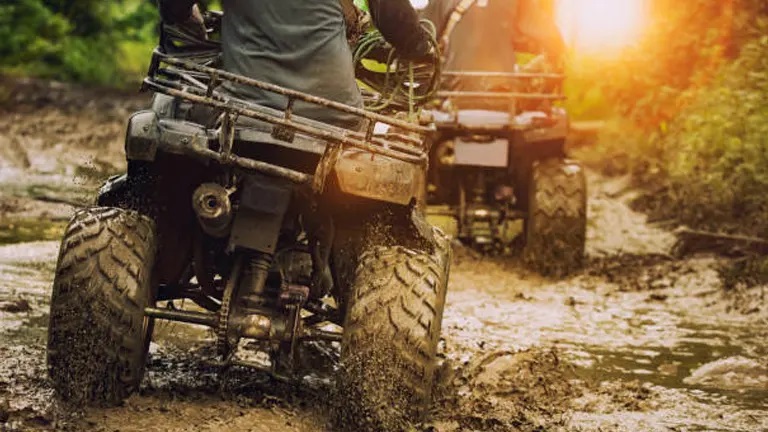
UTVs are distinct from ATVs (All-Terrain Vehicles) in that they typically feature side-by-side seating and are equipped with a larger cargo bed. While ATVs are usually ridden by a single rider and are smaller and more nimble, UTVs are larger and are built for heavy-duty tasks or group recreation. This makes them incredibly popular in industries such as agriculture, construction, and recreation.
The History of American UTVs
The American UTV market began gaining momentum in the late 1980s and early 1990s when manufacturers started exploring off-road vehicles that could handle heavier tasks than ATVs. Early on, UTVs were primarily used for farming and ranching, where they became essential for hauling tools, supplies, and even livestock.
One of the first breakthrough machines in the UTV sector was the Honda Big Red, released in 1983. While the Big Red wasn’t exactly a side-by-side, it helped pave the way for vehicles that could support multiple passengers while still being rugged and functional. This led to the creation of the first true side-by-sides in the 1990s, with brands like Polaris, Yamaha, and Honda entering the scene.
American UTV Manufacturers: Trailblazers of Innovation
While UTVs have global appeal, American manufacturers have certainly led the charge in shaping the market. Companies like Polaris, Can-Am, and Honda have driven significant innovation, while others like Kawasaki and Yamaha have maintained strong footholds in the industry.
Polaris Industries
Founded in 1954, Polaris is one of the most prominent UTV manufacturers in the world. The company was a trailblazer in the UTV sector with its introduction of the Polaris Ranger in 1997, a vehicle designed specifically for work environments. The Ranger was a game-changer in terms of power, cargo capacity, and comfort. It quickly became the go-to vehicle for ranchers, farmers, and contractors, and its versatility allowed it to be used in a variety of settings from hunting to construction work.
The Ranger also set the standard for innovation in the UTV market. In 2014, Polaris introduced the Polaris RZR, a sport-focused side-by-side that brought a new level of performance to the recreational UTV market. The RZR was designed with high-performance in mind, featuring increased horsepower, a lightweight chassis, and advanced suspension for handling rugged terrain at high speeds.
Polaris continues to innovate with their UTV lineup, focusing on increasing durability, enhancing comfort, and incorporating cutting-edge technology. Today, Polaris’ offerings span work vehicles like the Ranger, sport models like the RZR, and even luxurious UTVs like the Polaris General.
Can-Am (BRP)
Can-Am, a division of Bombardier Recreational Products (BRP), has been a major player in the UTV market for years. Known for their powerful engines, advanced features, and high-performance capabilities, Can-Am UTVs have gained a loyal following among both recreational riders and professionals.
Can-Am introduced its first UTV, the Commander, in 2010. The Commander was engineered to compete with Polaris’ Ranger, offering powerful engine options, a comfortable cabin, and excellent off-road capability. Can-Am’s commitment to innovation didn’t stop with the Commander, though. The Maverick series, introduced in 2013, is a high-performance line of UTVs built for off-road enthusiasts seeking maximum horsepower and agility.
What sets Can-Am apart is its dedication to pushing the boundaries of off-road performance. The Maverick X3, for example, is equipped with a turbocharged engine that provides more than 172 horsepower, allowing it to dominate in off-road racing events like the Baja 1000. Can-Am continues to refine its lineup, ensuring that their UTVs remain at the forefront of the industry.
Honda
Honda has long been a key player in the powersports industry, and its entry into the UTV market was a natural progression. Honda’s first significant UTV offering was the Honda Pioneer, launched in 2014. The Pioneer series was designed to combine the comfort and versatility of a UTV with Honda’s legendary reliability and engineering.
Honda’s Pioneer lineup offers a range of options, from the smaller 700cc Pioneer 500 to the high-performance Pioneer 1000. Known for their smooth ride, Honda UTVs are favored for their durability and ease of maintenance. Additionally, Honda has focused on creating UTVs that are designed to be easily customized, with an array of aftermarket accessories available.
Kawasaki and Yamaha
Though not as dominant in the UTV market as Polaris and Can-Am, Kawasaki and Yamaha have also contributed greatly to the American UTV scene. Kawasaki’s Mule series is known for its reliability and practicality, making it a favorite among workers in industries such as agriculture and landscaping. Similarly, Yamaha’s Viking series is designed with both performance and utility in mind, offering strong off-road capabilities while maintaining comfort and convenience.
Both brands offer a variety of UTV models that cater to different needs, from work-oriented vehicles to those designed for recreational use. Kawasaki and Yamaha’s continued presence in the market proves that American UTV buyers have a wide range of choices, depending on their specific needs.
The Impact of American UTVs on Various Industries
One of the key reasons American UTVs have gained popularity is their wide range of applications. These vehicles are used in multiple sectors, making them incredibly versatile.
Agriculture and Ranching
UTVs are an invaluable tool on farms and ranches. Their ability to carry heavy loads, navigate rough terrain, and transport people over large areas makes them ideal for tasks such as checking livestock, hauling supplies, and towing equipment. With the ability to carry a significant amount of cargo, UTVs help farmers and ranchers reduce labor costs and increase productivity.
Companies like Polaris, Can-Am, and Honda have designed UTVs specifically with agriculture in mind, offering large cargo beds, towing capabilities, and powerful engines that are well-suited to the demands of the farming and ranching industries.
Recreation
The recreational use of UTVs is also booming. Off-road enthusiasts appreciate the thrill of navigating rugged trails, climbing steep hills, and cruising through desert landscapes. Manufacturers have responded with sport-oriented UTVs like the Polaris RZR and Can-Am Maverick, which are built for performance and speed.
Recreational UTVs have become a mainstay in off-road racing, with high-performance models being put to the test in extreme environments. The rise of UTV racing, particularly in events like the Best in the Desert series and the King of the Hammers, showcases the increasing importance of UTVs in the world of motorsports.
Construction and Landscaping
In the construction and landscaping industries, UTVs have become indispensable. They are used to haul materials, transport workers, and maneuver through challenging job sites. Their versatility and durability allow them to perform tasks that traditional trucks or ATVs might struggle with, such as navigating narrow paths or carrying bulky equipment.
The Future of American UTVs
The future of American UTVs looks bright, with manufacturers continuing to push the boundaries of performance, technology, and design. The trend toward electric UTVs is gaining traction, as consumers and companies seek more environmentally friendly alternatives. In addition, advancements in autonomous technology, smart features, and improved suspension systems will further elevate the capabilities of these vehicles.
One area to watch is the development of advanced driver-assistance systems (ADAS) for UTVs, which could improve safety and driving comfort. This includes features like GPS tracking, collision avoidance, and automatic braking, which could revolutionize how UTVs are used in both work and recreational environments.
Additionally, the continued growth of the UTV market internationally presents exciting opportunities for American manufacturers to expand their reach and showcase their innovations on a global scale.
Conclusion
American UTVs have come a long way since their inception. From rugged workhorses to high-performance recreational machines, these vehicles have made a significant impact on multiple industries. Manufacturers like Polaris, Can-Am, and Honda have played pivotal roles in shaping the market, driving innovation and setting new standards for off-road vehicles.
As the demand for UTVs continues to grow, the future of American UTVs seems poised for even greater advancements in performance, technology, and sustainability. Whether for work or play, these vehicles are sure to remain a vital part of the American landscape for years to come.