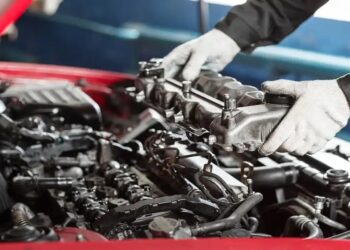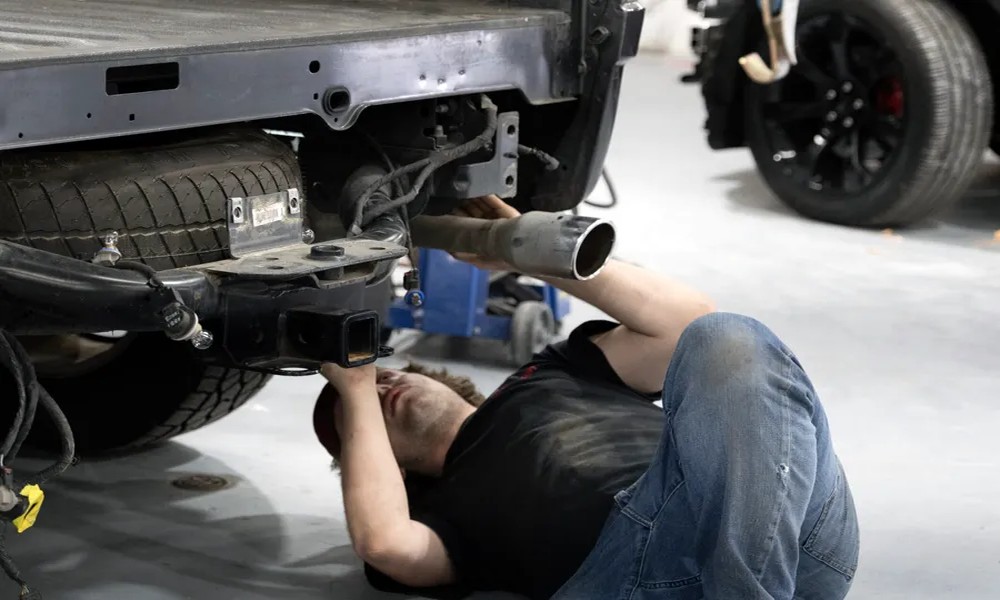

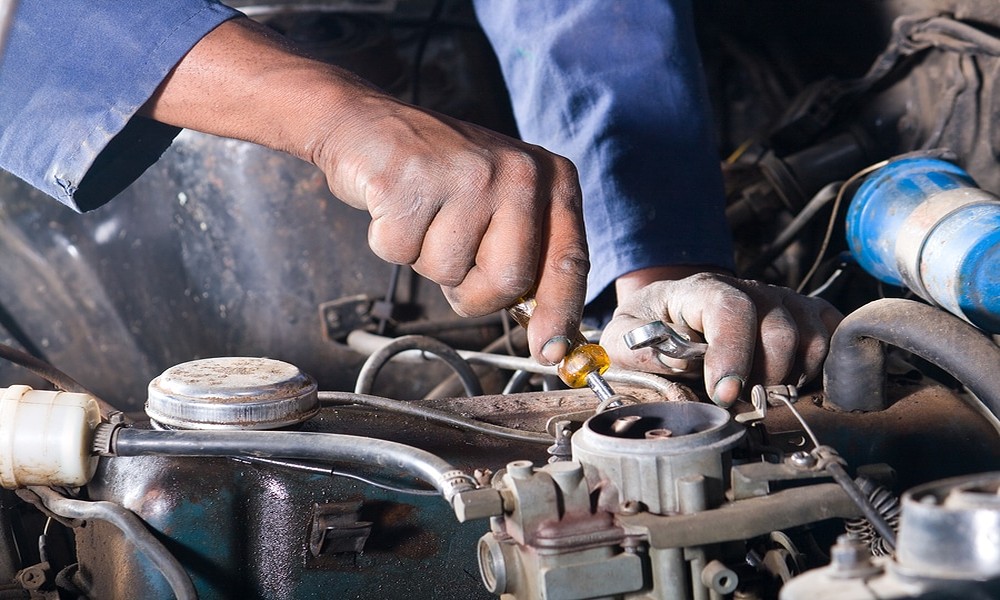
The mountain air feels crisp and fresh on your face. Boulder sits high above the sea level today. This height changes how machines work every single day. Your car air conditioner struggles in this thin atmosphere. Oxygen levels are lower at these high elevations now. Heat transfer happens differently when air is less dense. You might notice your cabin stays warm for longer. Cooling systems require more effort to move heat away. Understanding these changes helps you maintain your vehicle better. The environment dictates how your cooling system must perform.
HTC Automotive Auto Repair understands these specific local pressure issues. Thinner air carries less heat away from the condenser. This part sits at the front of your car. It needs a strong flow of thick air. But the air in Boulder is quite thin. Your system works overtime to keep the temperature down. This extra work leads to faster wear on parts. You should monitor your vent temperatures during summer drives.
Heat Exchange Efficiency
Thermal exchange relies on the density of the surrounding air. Molecules are spread far apart in the high desert. Heat does not jump from metal to air easily. The evaporator coil inside your dash stays cold longer. But the heat from the cabin remains trapped inside. Efficient heat exchange is vital for a comfortable ride. HTC Automotive Auto Repair checks these exchange rates for clients. Proper maintenance ensures the system handles the thin air. Without care, the cooling performance will surely drop away.
Compressor Longevity Issues
The compressor is the heart of your cooling system. It pumps refrigerant through many long hoses and valves. High altitude forces this pump to cycle more often. Frequent cycling causes the clutch to wear out early. Now, the internal seals might begin to leak slowly. Small leaks lead to a loss of cooling power. Regular inspections help catch these tiny leaks before failure. Expert technicians can identify early signs of mechanical fatigue. Auto AC Repair in Boulder, CO requires a specialized local approach. Technicians must account for the unique mountain climate factors. Long drives on steep grades add even more heat. The compressor feels the heat from the engine too.
Condensation and humidity
Summers in Boulder are dry. Low humidity affects evaporator moisture removal. Often, the system drops water under the automobile. This area may have less water. Dryness aids cooling. However, the air feels harsh. Dry air accelerates rubber seal drying. Cracked seals let refrigerant escape. HTC Automotive Auto Repair repairs dry seals during standard maintenance. System moisture equilibrium is crucial. The air should be cool and gentle. Internal parts move smoothly with proper lubrication.