
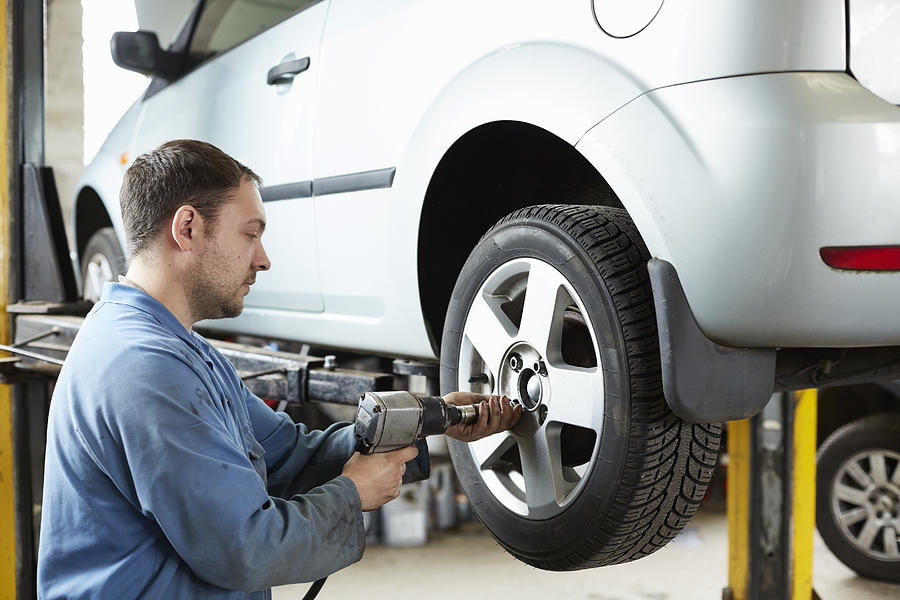
Vehicle safety depends on many complex electronic systems working together perfectly. The traction control module acts as a critical brain for your car stability during acceleration. This computer monitors wheel speed sensors to prevent dangerous slipping on wet or loose surfaces. When you install new tires, the physical dimensions of the rubber often change slightly. These small variations can confuse the sensitive sensors inside the electronic control system. Proper adaptation ensures that your vehicle understands these physical updates for better performance. Your Honest Mechanic provides expert guidance on these technical requirements for modern drivers.
The Role of Electronic Recalibration Procedures
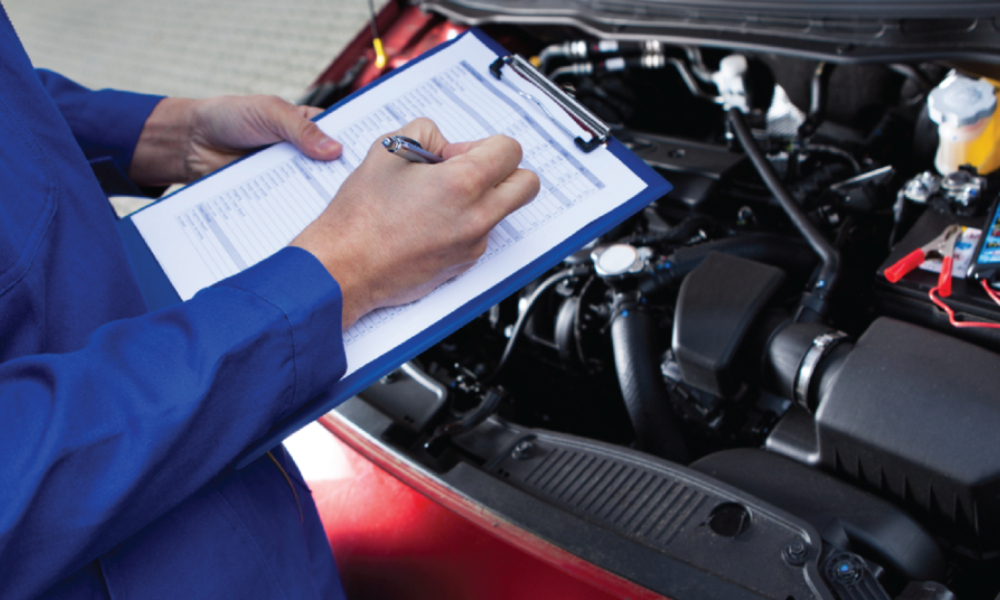
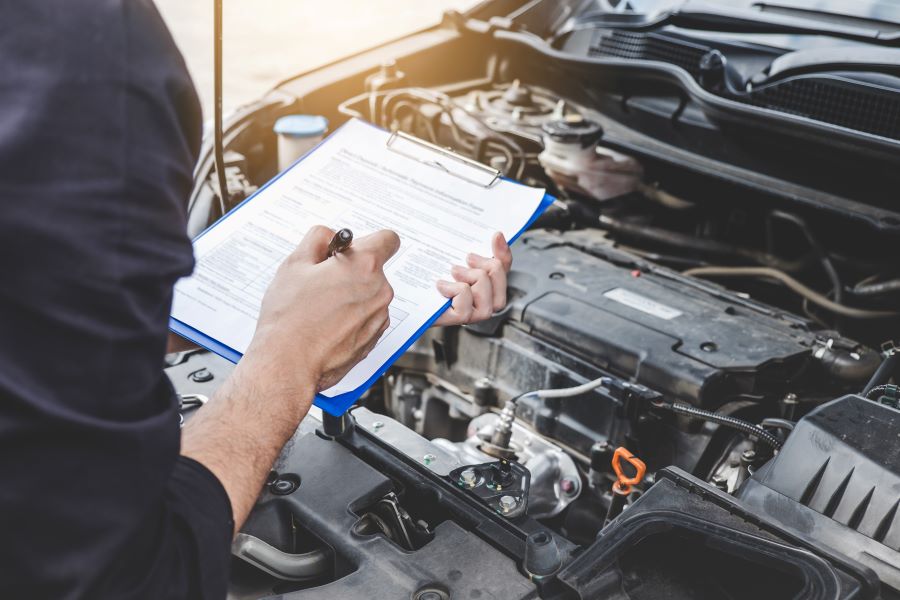
Modern vehicles require a digital handshake between the new hardware and the software. Technicians connect specialized diagnostic tools to the onboard computer port to start the process. This software update tells the module to learn the new rolling radius of the tires. But the car must undergo a specific drive cycle to finalize these internal settings. The system records the new data points while the wheels spin at various speeds. So the module creates a fresh baseline for future traction interventions on the road. Your Honest Mechanic performs these vital digital adjustments to ensure your car remains reliable.
Maintaining Proper Communication Between Vehicle Sensors
Every wheel has a sensor that sends data to the main control unit. These parts must agree on the speed of the vehicle at all times. New tires provide different levels of grip compared to old and hardened rubber. The module must adjust its sensitivity to account for this improved mechanical traction. Now the anti-lock braking system also benefits from this precise data synchronization across the axle. But failing to adapt the module can lead to premature wear on your brakes. Reliable Auto Repair in Easley, SC helps maintain this delicate balance between hardware and software.
Professional Benefits of Accurate System Adaptation
Expert calibration leads to a much smoother driving experience for every vehicle owner. You will notice that the traction system intervenes only when truly necessary during storms. The car handles corners with more predictability because the computer knows the exact tire size. So the electronic stability control works in perfect harmony with the fresh tread. Sometimes a simple tire change without programming leads to reduced fuel efficiency over time. The transmission might shift differently if the computer perceives incorrect wheel speeds during gear changes. Your Honest Mechanic understands how these connected systems influence your total driving comfort.
Long Term Performance and Component Longevity
Correcting the module settings protects the expensive electronic components from unnecessary stress and heat. The sensors operate within their intended electrical range when the physical data matches the software. Now the vehicle can utilize the full potential of the high quality new tires. Consistent maintenance of these digital settings ensures the vehicle stays on the road longer.