

Dashboard indicators are essential tools that help drivers monitor the condition of their vehicle. These small symbols provide real-time updates about the car’s performance and alert the driver to any potential issues. One important indicator is the ABS light, which signals a problem with the Anti-lock Braking System. Recognizing and understanding these lights is key to ensuring the vehicle’s safety and functionality. When a light illuminates, it’s significant to act promptly to avoid damage or unsafe situations.
Common Dashboard Indicators and Their Meanings
Several dashboard lights are common and signal specific issues within the vehicle. One of the most recognized lights is the check engine light, which typically indicates a issue with the engine or exhaust system. If it turns on, it’s advisable to have the car checked by a mechanic to prevent further damage. The battery warning light signals a possible issue with the charging system or battery, which can result in the vehicle stalling. Ignoring this light can lead to starting issues or a complete breakdown. Other important lights include:
- Oil pressure warning light: Indicates low oil pressure, which can cause engine damage if not addressed.
- Tire pressure light: Appears when tire pressure is low, affecting handling and fuel efficiency.
- Temperature warning light: Alerts you when the engine is overheating, which could lead to engine failure if not immediately addressed.
Understanding these indicators and responding promptly can prevent severe damage and keep your vehicle operating safely. Taking proactive steps when these lights appear ensures that your vehicle remains in good condition and safe to drive.
How to Respond to Dashboard Indicator Lights
When a dashboard indicator light appears, it’s essential to know the appropriate action to take. Begin by consulting your vehicle’s manual to fully understand the light’s meaning. If critical lights like the oil pressure or temperature light appear, it’s often safest to pull over, turn off the engine, and allow it to cool before seeking professional help. For lights like low tire pressure, you can address the issue by inflating the tires and continuing your journey, but it’s still important to check the tires regularly.
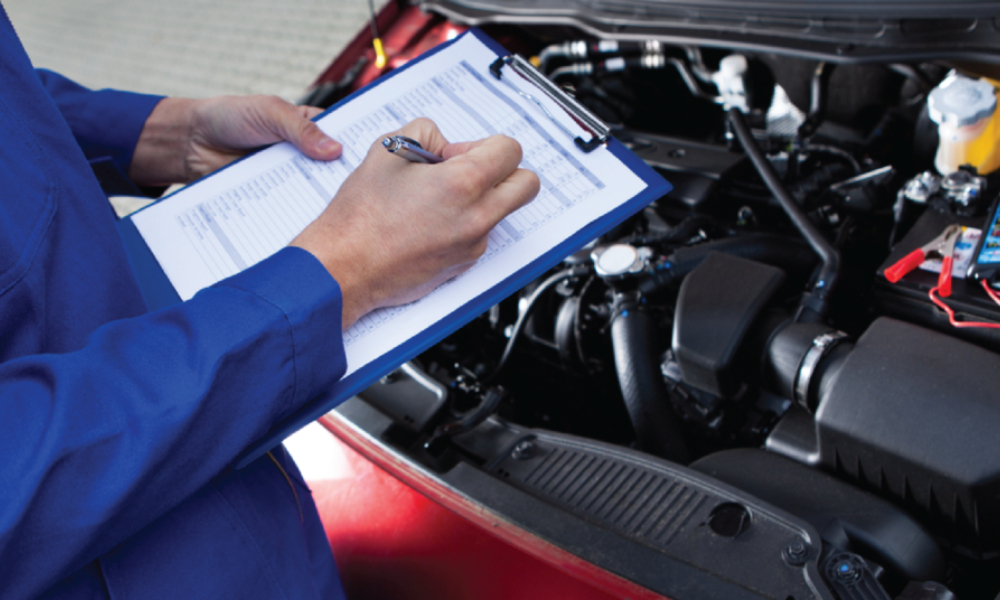
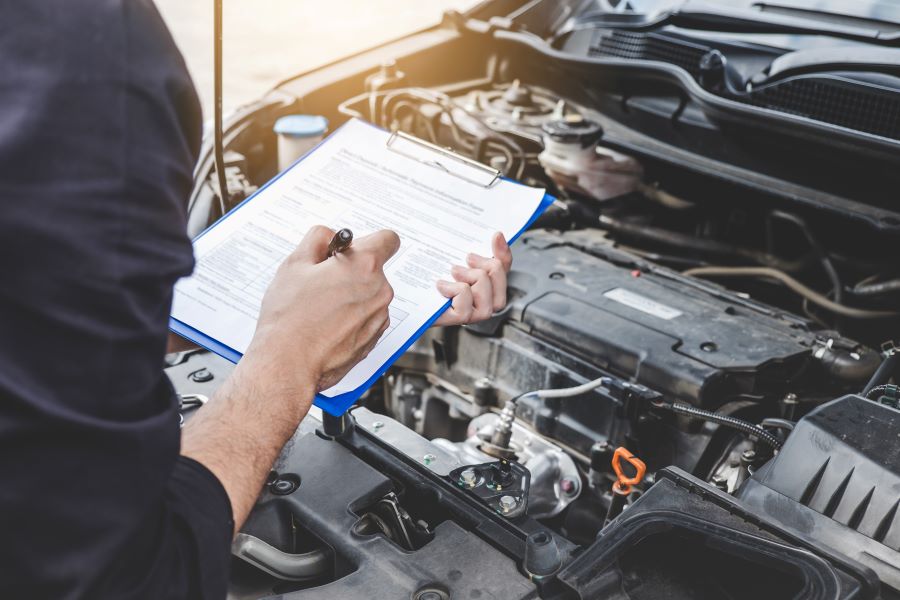
For more serious problems, such as the check engine or battery warning light, it’s best to have the vehicle inspected by a mechanic as soon as possible to prevent further damage. Prompt action can help avoid costly repairs and ensure that you are not stranded on the road. Regular maintenance and keeping an eye on dashboard lights will keep your car running smoothly and help maintain its safety and longevity.